What Is The Reason? Coffee 1kg Is Fast Increasing To Be The Trendiest Thing Of 2023


Why Buy 1kg of Coffee in Bulk?
A cup of coffee can be a wonderful way to start your day. It's also healthy. Studies have proven that moderate consumption of coffee is associated with a reduced risk of Type 2 Diabetes, Parkinson's Disease and liver diseases.
How many cups can you make from one kilogram of beans?
Price
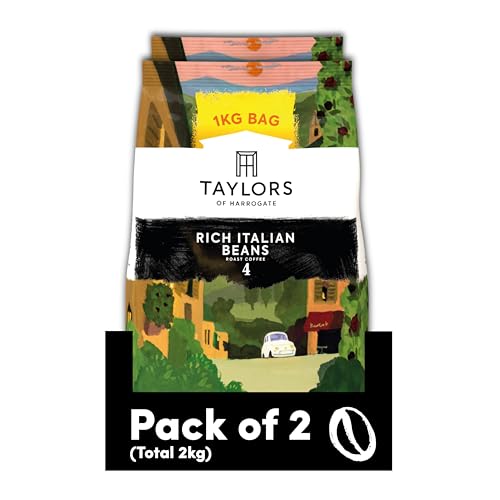
A kilogram of coffee beans is enough to make several mugs of freshly ground and roasted coffee. It is available in a variety of varieties, including single-origin or blends. Single-origin beans are sourced from a specific country or region, while blends combine various types of beans to produce a unique flavour profile. The cost per kilogram of coffee can differ greatly based on the type and roasting process.
A kilogram of coffee beans in bulk could be more affordable than purchasing smaller quantities. It is also more green, since it reduces packaging waste. Coffee grounds, which are a by-product from the process of brewing coffee, could also be composted. Purchasing coffee in bulk is also a great option to stock up on your favourite beans and save money over the course of time.
Keep in mind that the cost of one kilogram of coffee beans DOES NOT include the cost of shipping and transportation. These additional expenses can be substantial and should be considered when budgeting for wholesale orders. You can estimate the total production costs using an online calculator in case you're not sure the price of your coffee. cost.
The cost of a kilogram of coffee beans is based on the size and quality, as well as the cost of processing and shipping. It is also important to factor in the cost of any unforeseen costs, such as unexpected milling defects or the removal of damaged beans from the bag. This could lead to an overall decrease in the weight of the coffee beans, which could have an impact on the per-kilo pricing.
It's also important to consider the effects of taxes and tariffs on the cost of one kilogram of coffee beans. In general the higher the tariffs and taxes are, the greater the cost of the coffee will be. However, there are a few exceptions to this principle, and it's crucial to study the specifics of each tariff before choosing a price for your beans. It's a good idea as well, to check your prices every six months.
Taste
The bulk purchase of coffee reduces the amount of packaging waste and keeps your coffee beans fresher for longer. You can also play around with different grinds and methods of brewing that will improve your everyday brew. This freedom to experiment inevitably will result in some coffee waste, for example the grounds you spill using cafetieres, or the waste that comes from dialing in the new grinder. This could affect the number of cups you can make from 1kg of coffee and is an important factor to take into account when calculating the number of cups. But don't fret, coffee grounds can be composted to great effect!
Environment
Coffee is a popular beverage worldwide, but its production has been linked with environmental impacts. For instance, the cultivation of coffee can lead to deforestation. Farmers must clear their land in order to plant coffee trees, which are typically planted in areas of tropical climates with fragile ecosystems. This could result in habitat loss, biodiversity loss and even conflict between humans. In addition, coffee is an extremely volatile commodity that can be unstable and volatile which can cause extreme price fluctuations. In fact, the ten biggest coffee roasters in the world control a third of all the roasted beans in the world, causing farmers to struggle to get a fraction of the retail price.
The greatest environmental impact that coffee has on the environment is the result of the processing and cultivation of the bean itself. The majority of emissions are generated during the farming process, which involves the use of pesticides and fertilisers. Coffee trees also need to be regularly watered which can result in an enormous amount of carbon dioxide. The environmental impact of a cup coffee depends on the location of its origin, and many companies are working to decrease the environmental impact of their coffee.
To determine Coffeee , it is essential to determine the functional units. A common unit for this purpose is the kilogram of green coffee beans. This permits comparisons between different studies. A standardised methodology is also needed to determine the carbon footprint for each stage. There are many methods, but the best way to go about it is to integrate sustainable practices into every step of the supply-chain.
The carbon footprint of coffee drinks can be dramatically reduced by using less-dairy alternatives. A latte brewed with conventional coffee, a cappuccino or a flat white made from sustainably grown beans will leave a carbon foot print of 0.55 0,34 and 0.41 kg CO2e respectively.
The previous life cycle assessments (LCAs) have revealed that the largest proportion of emissions are generated in the growing phase and this could be reduced through the use of more efficient equipment and avoiding the use of pesticides. Additionally, international transportation can be reduced by using cargo ships instead of air transport.
Stores
You can save money by buying coffee in bulk and still receive top-quality beans. This bulk purchase strategy also gives you more control and consistency over the amount of coffee that you consume throughout months or even a all year. In terms of cost it also means lower costs per cup of beans when compared to smaller 250g bags.
There are a few simple rules to follow when it is time to store your coffee beans. This will ensure that they taste their best. For instance, keeping your beans in cool, dark places will help them stay fresh and minimize the risk of spoilage. It is also recommended to avoid keeping your coffee in proximity to heat sources or in direct sunlight. This will prevent the coffee from absorbing moisture which could alter the taste.
A second important rule to remember when storing coffee is that the lid must always be closed. This is to prevent oxygen from getting into the container and oxidising your coffee beans. This can be achieved by using a vacuum sealed coffee storage container such as the Fellow Atmos or Planetary Design Airscape. These containers have a special valve that allows carbon dioxide to escape while pushing oxygen out of the bag.
Many people are hesitant to purchase coffee in kilo amounts because they are afraid that the beans will go to waste before they are consumed. If you keep your coffee beans in a proper manner it shouldn't be an issue. In fact the kilo of gorgeous coffee beans will taste fantastic up to the final cup, assuming you are properly storing them.
Speciality coffee is usually fresh for several months provided it is stored correctly. Filter coffee that is properly stored will also yield excellent results, particularly if it is ground just before brewing. This way, the coffee will be as fresh and delicious as is possible when brewed. This is based on a variety of factors, such as the kind of brewer you choose to use and your personal preferences for coffee.